Best Companion Plants For Japanese Blood Grass
Title: The Best Companion Plants for Japanese Blood Grass
Introduction:
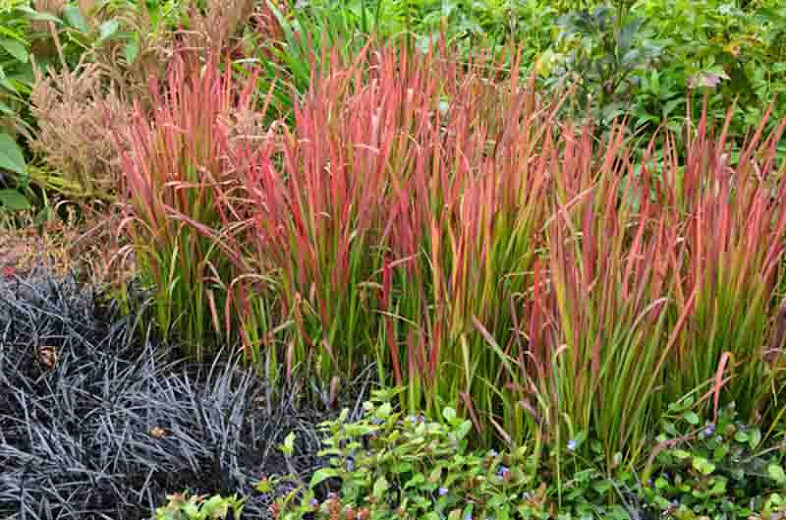
Japanese blood grass (Imperata cylindrica 'Red Baron') is a striking ornamental grass that is known for its bright red foliage. It is a relatively low-maintenance plant that can be grown in a variety of conditions, making it a popular choice for gardens of all sizes.
One of the best things about Japanese blood grass is its versatility. It can be used in a variety of ways, from adding a pop of color to a border to creating a focal point in a container garden. It can also be used to add texture and interest to a meadow or prairie garden.
When choosing companion plants for Japanese blood grass, it is important to consider the plant's color, texture, and growth habit. Some good companion plants include:
- Perennials with contrasting colors: Japanese blood grass has bright red foliage, so it looks great when paired with plants that have contrasting colors. Some good options include black-eyed Susans (Rudbeckia hirta), orange coneflowers (Echinacea purpurea), and bluebells (Mertensia virginica).
- Perennials with similar textures: Japanese blood grass has a fine, wispy texture. It can be paired with other plants that have a similar texture, such as ornamental grasses, sedges, and rushes. Some good options include feather reed grass (Calamagrostis acutiflora), blue oat grass (Helictotrichon sempervirens), and bulrush (Scirpus validus).
- Perennials with similar growth habits: Japanese blood grass is a clump-forming grass that grows to a height of about 3 feet. It can be paired with other clump-forming perennials, such as hostas, coralbells (Heuchera), and astilbes.
Main Content:
In addition to the companion plants listed above, there are many other plants that can be paired with Japanese blood grass. Here are a few more ideas:
- Annuals: Japanese blood grass can also be paired with annuals, such as zinnias, marigolds, and cosmos. These plants will add a burst of color to the garden during the summer months.
- Shrubs: Japanese blood grass can also be used as an accent plant in a shrub border. Some good options include red-twig dogwood (Cornus alba 'Sibirica'), burning bush (Euonymus alatus), and purple leaf plum (Prunus cerasifera 'Nigra').
- Trees: Japanese blood grass can also be used under the eaves of a tree. Some good options include maple trees, oak trees, and birch trees.
When choosing companion plants for Japanese blood grass, it is important to consider the plant's mature size. Japanese blood grass can grow to be quite large, so it is important to choose companion plants that will not be overshadowed by it.
Conclusion:
Japanese blood grass is a beautiful and versatile plant that can be used in a variety of ways. By choosing the right companion plants, you can create a stunning and harmonious garden that will add beauty and interest to your landscape for years to come.
- Sedum: This succulent plant comes in a variety of colors, including green, yellow, orange, and red. It is a low-maintenance plant that is drought-tolerant and can tolerate full sun. Sedum is a good choice for companion planting with Japanese blood grass because it adds texture and interest to the garden.
- Switchgrass: This native North American grass has tall, blue-green blades that sway in the wind. It is a good choice for companion planting with Japanese blood grass because it has similar growing requirements and its tall stature provides a nice contrast to the grass's shorter blades.
- Berberis: This shrub has red-tinged leaves and yellow flowers. It is a good choice for companion planting with Japanese blood grass because it adds color and interest to the garden.
For more information about Japanese blood grass companion plants, please visit Home Gardening.
FAQ of japanese blood grass companion plants
- What are good companion plants for Japanese blood grass?
Some good companion plants for Japanese blood grass include:
* Helenium (sneezeweed): This tall, showy perennial has bright yellow, orange, or red flowers that bloom in the summer. It can help to add height and contrast to a planting with Japanese blood grass.
* Sedum (stonecrop): This succulent plant comes in a variety of colors, including green, yellow, orange, and red. It is drought-tolerant and can help to add texture and interest to a planting with Japanese blood grass.
* Hakonechloa macra (Hakonechloa grass): This graceful, fountain-like grass has green or yellow leaves that arch gracefully. It can help to soften the bold red color of Japanese blood grass.
* Rudbeckia fulgida (black-eyed Susan): This tall, daisy-like perennial has bright yellow flowers with black centers. It blooms in the summer and can help to add height and contrast to a planting with Japanese blood grass.
* Aster (aster): This daisy-like perennial comes in a variety of colors, including purple, pink, white, and blue. It blooms in the fall and can help to add color and interest to a planting with Japanese blood grass.
- How do I choose companion plants for Japanese blood grass?
When choosing companion plants for Japanese blood grass, it is important to consider the following factors:
* Sunlight: Japanese blood grass prefers full sun, so companion plants should also be able to tolerate full sun.
* Water: Japanese blood grass is drought-tolerant, so companion plants should also be drought-tolerant.
* Soil: Japanese blood grass prefers well-drained soil, so companion plants should also prefer well-drained soil.
* Color: Companion plants can be chosen to complement the red color of Japanese blood grass, or they can be chosen to create a contrasting color scheme.
* Height: Companion plants can be chosen to add height, texture, or interest to a planting with Japanese blood grass.
- How do I plant Japanese blood grass with companion plants?
When planting Japanese blood grass with companion plants, it is important to space the plants according to their mature size. Japanese blood grass can grow up to 2 feet tall and wide, so it is important to give it plenty of room to spread. Companion plants should also be spaced according to their mature size.
It is also important to consider the root systems of the plants when planting them together. Japanese blood grass has a spreading root system, so it is important not to plant it too close to other plants with aggressive root systems.
- How do I care for Japanese blood grass and its companion plants?
Japanese blood grass is relatively low-maintenance. It needs full sun and well-drained soil. It should be watered regularly during the first year after planting, but it is drought-tolerant once established.
Companion plants may have different care requirements, so it is important to research the specific needs of each plant. In general, companion plants should be watered regularly, fertilized in the spring, and deadheaded as needed.
- How do I propagate Japanese blood grass?
Japanese blood grass can be propagated by division. In the spring or fall, when the plant is actively growing, divide the plant with a spade or sharp knife. Each division should have at least a few roots and shoots. Plant the divisions in well-drained soil and water them regularly.
- Is Japanese blood grass invasive?
Yes, Japanese blood grass can be invasive in some areas. It is important to check with your local nursery or garden center to see if Japanese blood grass is appropriate for your growing zone. If you live in an area where Japanese blood grass is invasive, it is important to plant it in a container or in a garden bed that is surrounded by a barrier.
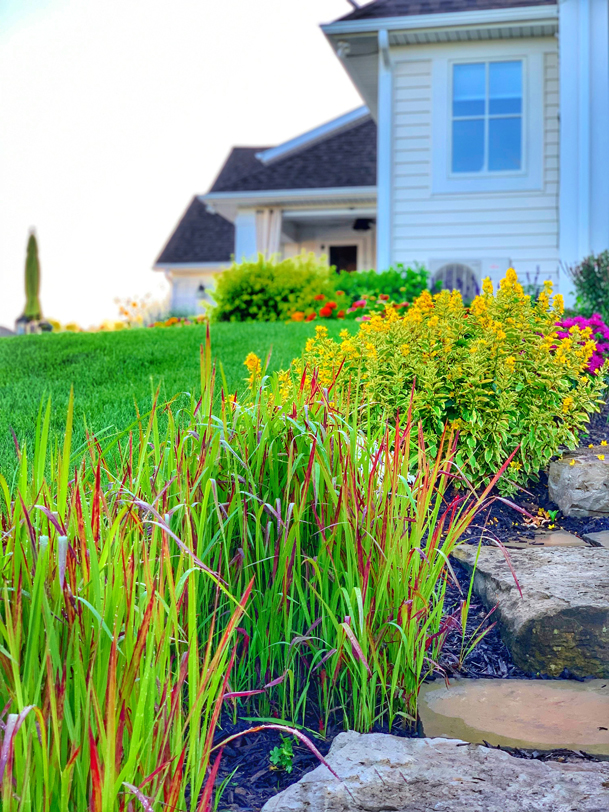
Image of japanese blood grass companion plants
- Black-eyed Susan: This bright yellow daisy-like flower blooms in the summer and fall, and it pairs well with Japanese blood grass's vibrant red color.
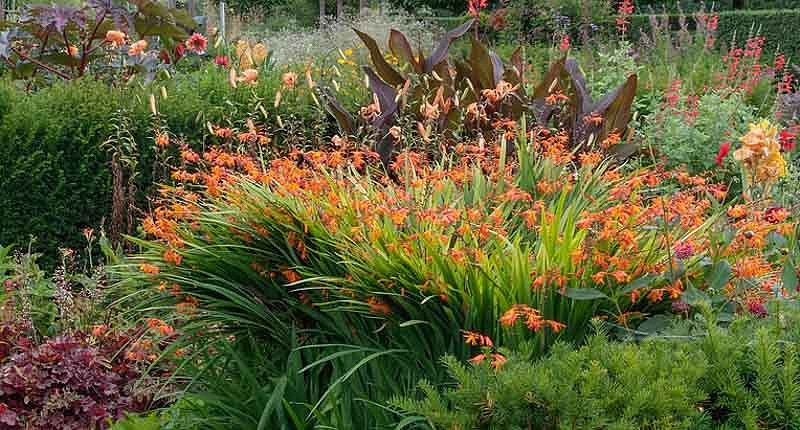
- Echinacea: This cone-shaped flower comes in a variety of colors, including purple, pink, and white. It blooms in the summer and fall, and it attracts butterflies and bees.
- Astilbe: This delicate flower has feathery blooms that come in shades of pink, white, and purple. It blooms in the summer, and it prefers moist, shady conditions.

- Coneflower: This daisy-like flower comes in a variety of colors, including red, orange, yellow, and purple. It blooms in the summer and fall, and it attracts butterflies and bees.
- Yarrow: This daisy-like flower has white, yellow, or pink blooms. It blooms in the summer and fall, and it's drought-tolerant.
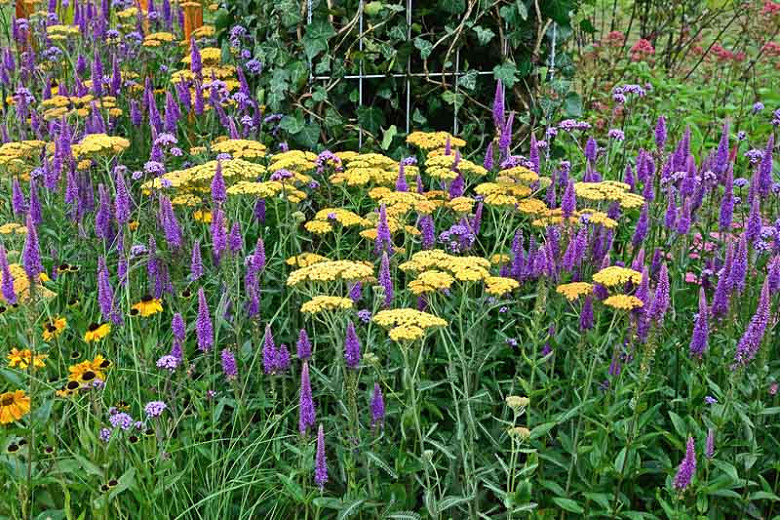
- Lavender: This fragrant herb has purple or blue blooms. It blooms in the summer, and it prefers full sun and well-drained soil.
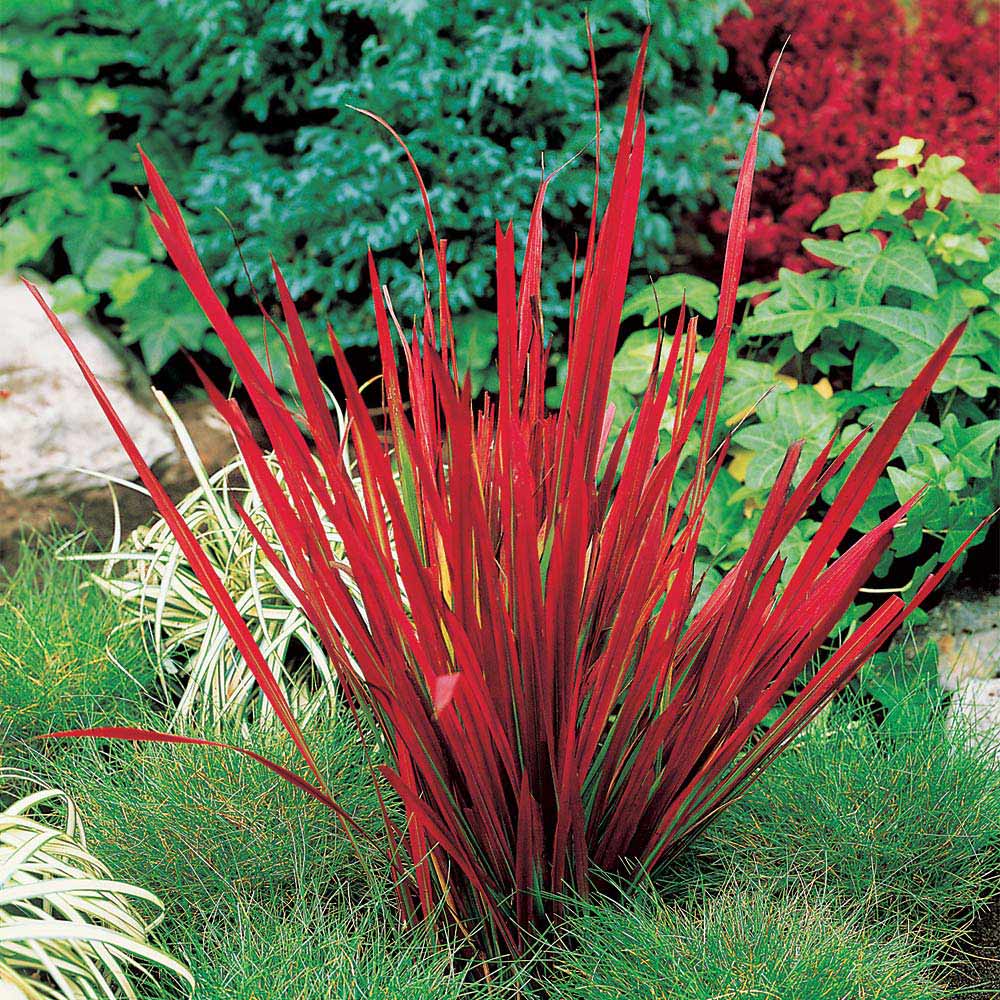
- Sedums: This group of succulents comes in a variety of colors, including green, blue, purple, and red. They're drought-tolerant and can be used to add texture and color to a garden.
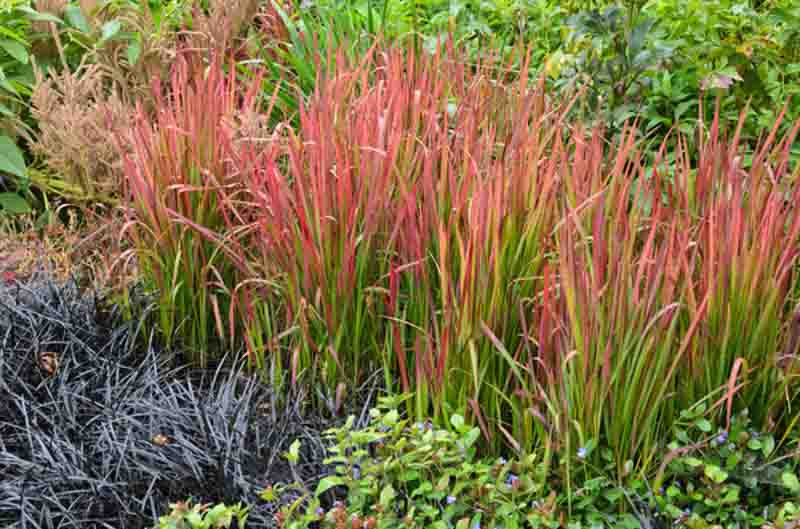
- Ornamental grasses: There are many different types of ornamental grasses that can be paired with Japanese blood grass. Some popular options include fountain grass, miscanthus, and pampas grass.
- Coral bells: This evergreen perennial has bell-shaped blooms that come in shades of pink, red, and white. It prefers partial shade and moist, well-drained soil.

- Liatris: This spiky flower comes in shades of purple, pink, and white. It blooms in the summer and fall, and it prefers full sun and well-drained soil.

Post a Comment for " Best Companion Plants For Japanese Blood Grass"